KM Enterprises

Industrial Machinery Sourcing — KSA Factory Line Project

An Eastern Province food-processing EPC contractor needed verified China suppliers for a conveyor, packaging, and labeling line — with factory audits, staged inspections, and sea freight coordination to Dammam for a greenfield plant commissioning deadline.

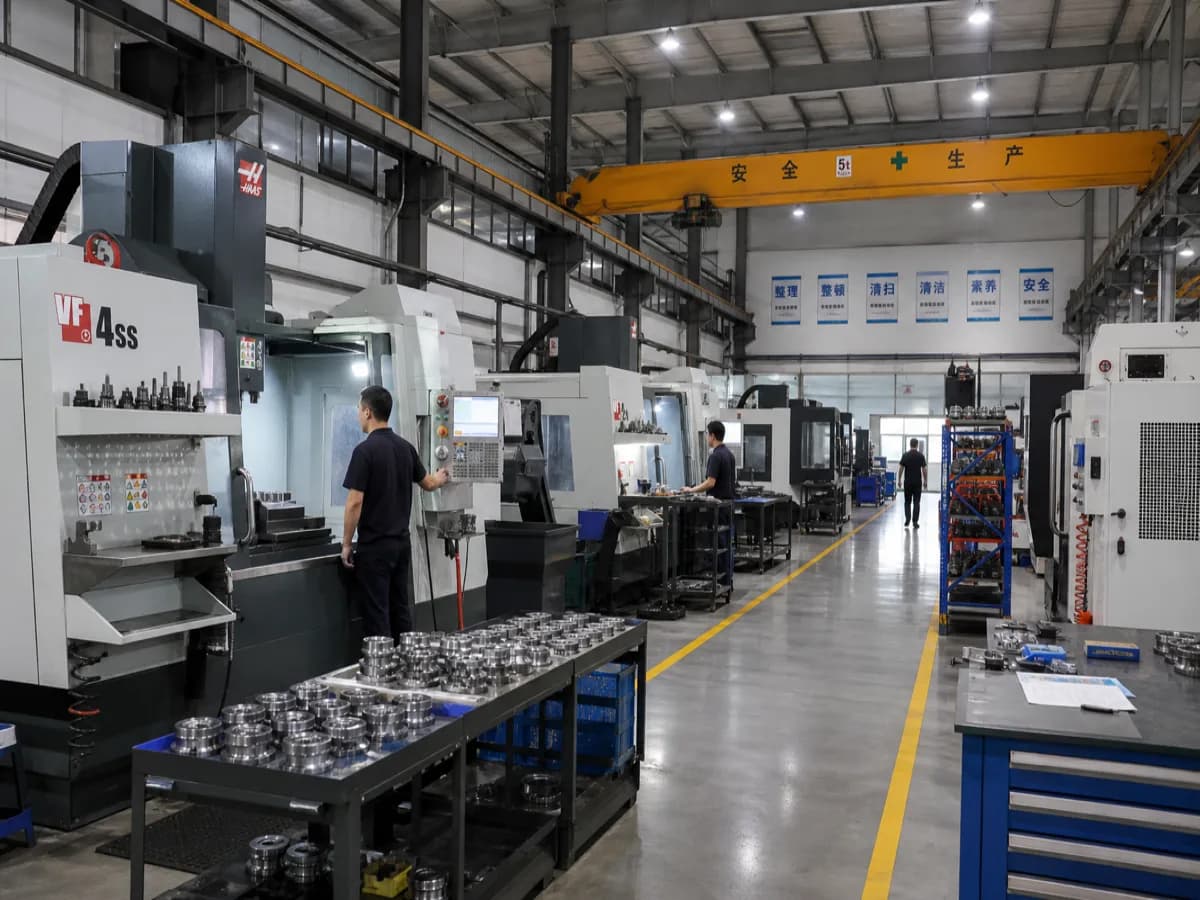
Industrial machinery line components sourced for Saudi factory installation
Industrial Machinery & EquipmentProject Buyer / EPC ContractorSaudi Arabia

Outcomes

Project Results at a Glance

Commissioning buffer

11 days early

Packaging hall ready ahead of contractual milestone

OEMs verified

2 manufacturers

Trading intermediaries eliminated before PO release

Post-arrival rework

Zero lots

Mechanical and electrical fit confirmed on installation

Project story

Challenge → Solution → Result

01

Challenge

The contractor had won a turnkey packaging hall contract with a hard commissioning date tied to a Saudi industrial city occupancy permit. Equipment scope included stainless conveyor modules, vertical form-fill-seal machines, checkweighers, and labeling cells — sourced competitively from China to protect project margin. Three suppliers submitted bundled quotations with attractive CIF Dammam pricing, but engineering review flagged gaps: motor nameplate specs did not match declared IEC ratings, spare parts lists were generic, and none provided verifiable export references to GCC food-grade installations.

A prior project delay on unrelated MEP imports had cost the contractor two weeks of liquidated damages when equipment arrived with incomplete documentation at King Abdulaziz Port. Internal risk policy now required independent supplier verification and factory audits on every OEM above SAR 500,000 equivalent before purchase order release. The project manager could not travel to China during the bid window and needed Nanjing-based field assessment confirming manufacturer status, production capacity for the eight-week build window, and export packaging suitable for breakbulk and containerized sea legs to import from China to Saudi Arabia corridors.

Coordination complexity was high: four equipment categories from two provinces, FAT witness requirements, bilingual operation manuals, and conformity documentation for electrical panels bound for KSA installation. Wiring deposits without verified capacity risked a cascading schedule failure across civil, MEP, and commissioning workstreams.
02

Solution

KM Enterprises structured a multi-supplier product sourcing and verification program aligned to the contractor's equipment list and FAT protocol. We shortlisted conveyor and packaging OEMs in Jiangsu and Guangdong, eliminated one trading intermediary after license-facility mismatch, and scheduled parallel factory audits on the two remaining manufacturing groups.

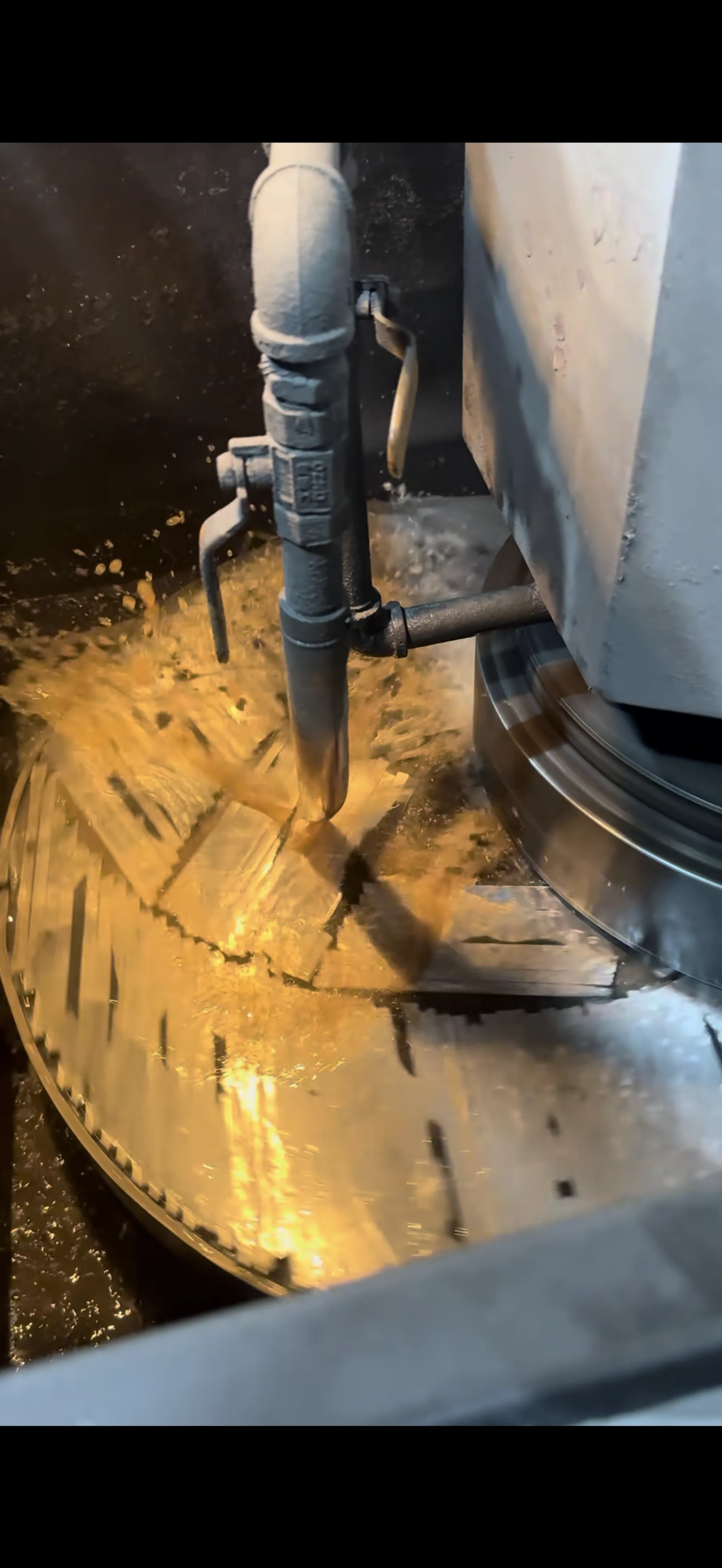
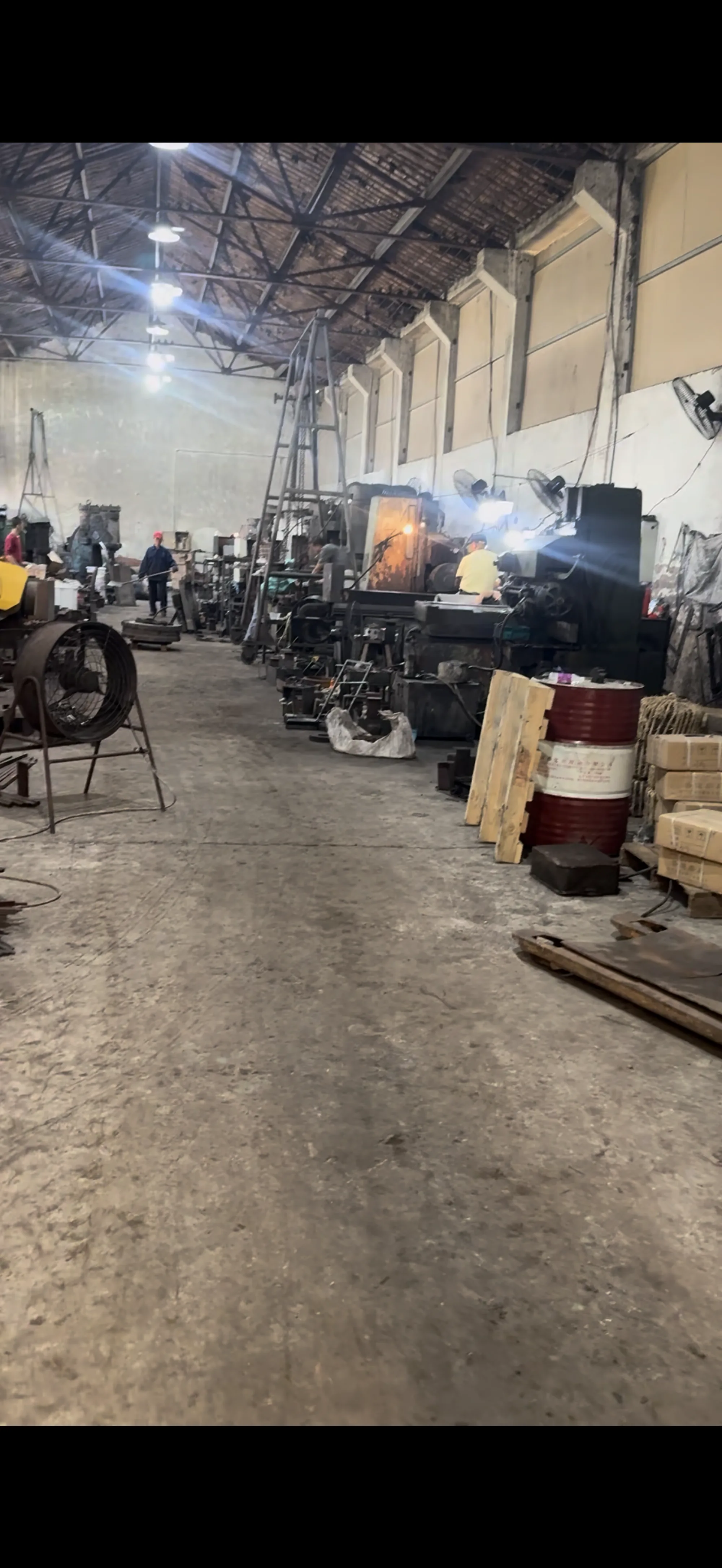
Audit modules covered active assembly lines, in-process QC for food-grade stainless welds, electrical panel build discipline, spare parts stocking for twelve-month operation, and export crate specification for heavy modules. KM interviewed production managers separately from sales, verified nameplate sourcing for motors and PLCs, and documented loading bay access for future oversize units. Findings produced proceed-with-conditions recommendations: FAT witness at completion, during-production inspection on electrical integration, and mandatory pre-shipment inspection before balance on each equipment lot.

KM coordinated golden sample review on labeling print quality, managed bilingual manual drafts for Saudi operator acceptance, and aligned freight logistics planning across mixed container and breakbulk legs to Dammam. Inspection gates followed our machinery industry control framework — verify before deposit, DPI at midpoint on custom assemblies, PSI before balance, and document alignment before sailing per the KSA import corridor guide.

Project milestones were tracked in a shared timeline linking factory completion dates, FAT windows, inspection bookings, and vessel cut-offs — preventing the cascading delays the contractor had experienced when MEP and equipment imports ran on disconnected schedules managed by separate agents.

  • Product Sourcing
  • Supplier Verification
  • Factory Audit
  • Sample Coordination
  • During Production Inspection
  • Pre-Shipment Inspection
  • Freight Logistics Support
03

Result

Both verified OEMs entered production with staged gates enforced. FAT witness on the form-fill-seal line confirmed throughput within five percent of quoted rate; DPI at electrical integration caught one incorrect sensor spec before panel closure. Three sea shipments — two 40ft FCL units and one breakbulk conveyor module lot — departed with PSI pass, aligned commercial invoices, and packing lists matching physical crate marks.

Equipment cleared King Abdulaziz Port Dammam without documentation holds. Installation teams received crate contents matching manifest line-for-line; spare parts kits were complete against the audited BOM. The packaging hall reached commissioning readiness eleven days ahead of the contractual milestone — the first China-origin line package the contractor had delivered without post-arrival rework on mechanical fit or electrical mismatch.

Commissioning engineers noted bilingual manuals and nameplate data matched FAT records — a detail that had failed on the contractor's prior stalled MEP import. Cold-chain and labeling cells integrated with conveyor modules on first alignment pass, avoiding the rework batches that had delayed an earlier unrelated project by eighteen days.

The project director attributed schedule recovery to verified manufacturer selection and FAT-plus-PSI gates rather than lowest EXW quote alone. KM remains the inspection and freight coordination partner for the second-phase cold-chain equipment tranche. Teams scoping similar programs can request a quote with equipment list, factory cities, and KSA delivery port.

Why KSA project buyers verify machinery suppliers in China

Industrial line equipment for Saudi food, packaging, and manufacturing projects carries schedule risk that compounds across civil, MEP, and commissioning teams. A misrepresented trading company, undersized assembly shop, or electrical panel built to the wrong standard does not surface in a PDF quotation — it surfaces at Dammam when crates do not match manifests and installation crews lose weeks to rework.

KM Enterprises supports import from China to Saudi Arabia machinery programs from Nanjing with verification, audit, inspection, and freight as one accountable workflow. For category-specific gates — FAT protocols, spare parts BOM validation, oversize crate planning — see our machinery industry page. Project buyers operating under liquidated-damage contracts cannot treat supplier verification as optional on six-figure equipment packages.

Whether your site is in Eastern Province industrial cities, Riyadh logistics parks, or western-region processing hubs, documented manufacturer confirmation and staged inspections protect the payment moments where leverage still exists — before goods sail, not after port discharge.

EPC contractors who centralize China-side control under one Nanjing team reduce handoff failures between separate inspectors, freight agents, and supplier sales contacts — the coordination model that recovered eleven days on this packaging hall commissioning schedule.

Audit and verification scope for line equipment OEMs

Machinery verification extends beyond license checks. KM audit modules for line equipment examine assembly bay capacity versus PO timeline, welder qualification for food-grade stainless, electrical panel build against declared IEC components, in-process dimensional checks on conveyor frames, and spare parts stocking against the quoted twelve-month BOM.

We test subcontracting explicitly: third-party panel builders, outsourced machining, and evening-shift activity inconsistent with stated capacity. Export readiness includes crate engineering for oversize modules, lifting point marking, and moisture protection for sea transit to Gulf ports.

Compare factory audits with lot-level quality inspection on our services page. For first-time China machinery purchases, pair audit findings with our factory audit before bulk order guide when writing PO inspection clauses.

Supplier verification should confirm bank beneficiary match to the audited export entity before any project deposit — a control that blocked one intermediary on this program whose license address did not match the assembly facility GPS location.

FAT, DPI, and PSI gates for Saudi-bound equipment

Factory acceptance testing witness gives project engineers confidence that throughput, safety interlocks, and print quality meet spec before disassembly for export. KM coordinates FAT attendance, documents results against the approved protocol, and flags deviations before crating.

During-production inspection on custom assemblies — especially electrical integration — catches component substitutions and wiring errors while correction is economical. Pre-shipment inspection before balance confirms crate contents, nameplate data, manual completeness, and quantity against the commercial invoice.

Freight planning for mixed FCL and breakbulk legs requires aligned weights, dimensions, and HS descriptions for KSA clearance. Review freight logistics support and corridor-specific document guidance on our Saudi Arabia import page before vessel booking.

When equipment spans multiple OEMs, KM aligns inspection and sailing windows so partial arrivals do not block installation sequencing — the logistics discipline applied across two FCL and one breakbulk leg on this greenfield packaging hall project.

Delivering repeat machinery programs on KSA timelines

The measurable win on this project was schedule integrity: verified OEMs, enforced FAT and PSI gates, and port clearance without documentation rework. Verification cost was recovered several times over versus the contractor's prior delay penalties on under-documented imports.

Second-phase equipment tranches benefit from KM-held factory baselines — auditors familiar with assembly layout, mapped export contacts, and faster inspection booking on repeat SKUs. When new line modules enter scope, reverification focuses on capacity claims for additional categories rather than repeating full site walks on proven OEMs.

If your EPC or project team is sourcing packaging, conveyor, or processing equipment from China, start with supplier verification before payment principles, then request a quote with equipment list and KSA delivery port. Download our free supplier checklist for internal stakeholder alignment before PO release.

Related programs: our factory verification CNC machinery case study documents precision machining verification for another KSA industrial buyer using the same staged-gate methodology.

On-the-ground proof

Genuine KM Enterprises Project Photos

Editorial visuals illustrate the project context above. These photos are from real KM field work — loading supervision, factory verification, and inspection documentation in China.

Industrial packaging machinery staged for KSA export inspection
Conveyor and labeling modules documented during factory audit
Assembly line walkthrough during Saudi project factory verification

Scope machinery sourcing for your KSA project

Share equipment list, FAT requirements, and delivery port in Saudi Arabia — we confirm verification scope, audit timeline, and inspection gates before you release project deposits.

Industrial Machinery Sourcing — KSA Factory Line Project | KM Enterprises