
KM Enterprises

Pre-Shipment Inspection in China

Book pre-shipment inspection (PSI) in China before balance payment. AQL checks, photo reports, and clear pass/fail guidance from a Nanjing-based team.

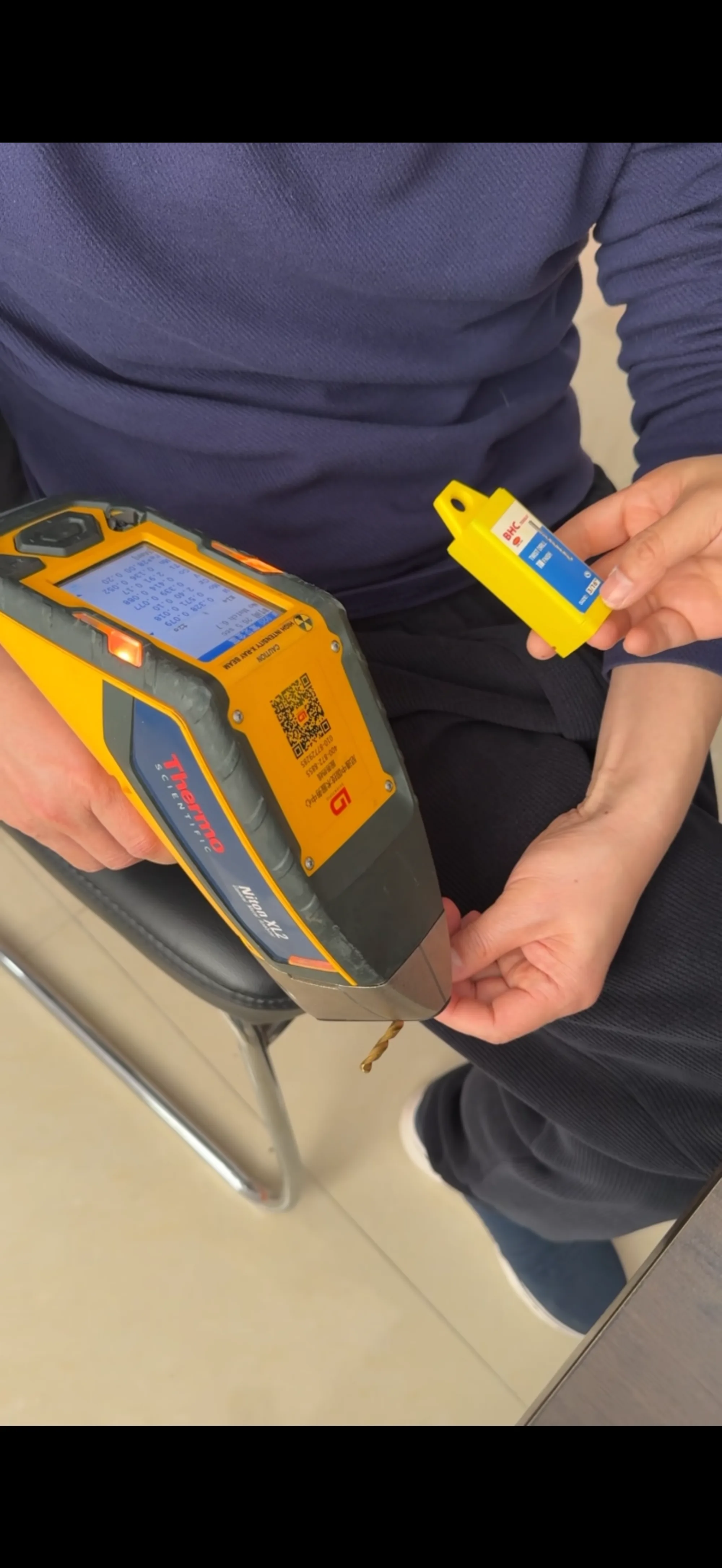
Quality inspector conducting pre-shipment inspection at a factory in China

← All sourcing guides11 min read

What is pre-shipment inspection (PSI)?

Pre-shipment inspection (PSI) is the final quality gate before you authorize balance payment and the factory loads goods for export. An independent inspector visits the supplier when production is complete (typically 100% finished and at least 80% packed) and verifies that the shipment matches your approved sample, purchase order, and packaging requirements.

Unlike a casual factory tour, PSI follows a structured checklist: random sampling against AQL standards, workmanship review, quantity and carton count verification, labeling and barcode checks, and export packaging assessment. The outcome is a documented pass, conditional pass, or fail recommendation — written for importers, not factory-friendly jargon.

For buyers sourcing from China, PSI is the most cost-effective way to prevent paying for goods that will not pass customs, fail retail acceptance, or trigger costly returns at destination. KM Enterprises conducts PSI from our Nanjing base with coverage across major manufacturing regions.

When you need PSI (and when PPI or DPI is enough)

Not every order needs the same inspection depth. Match the gate to your risk profile, order value, and supplier track record.

Use pre-production inspection (PPI) when materials, colors, molds, or components must be confirmed before bulk cutting or molding — common in apparel, furniture, and custom packaging programs. Use during production inspection (DPI) at 20–50% completion when workmanship consistency matters across large runs, multi-SKU orders, or new production lines.

PSI is essential when you are about to release the final 70–80% balance payment, when the supplier is new or has missed specs on prior orders, when the buyer cannot visit the factory in person, or when destination markets require documented QC before shipment. If you already run DPI on a trusted factory and only need quantity confirmation, a streamlined PSI may suffice — but skipping PSI entirely on a first order is how importers discover short counts and mixed batches at Karachi, Jebel Ali, or destination warehouses.

See our overview of inspection stages before shipment for how PPI, DPI, and PSI fit together. For service scope and booking, review quality inspection on our services page.

PSI vs DPI vs PPI — comparison

Use this table to choose the right inspection gate. KM can combine stages on one factory visit when scheduling allows.

StageTimingPrimary purposeTypical buyer
PPI (pre-production)Before bulk production startsConfirm materials, colors, molds, components vs approved sampleCustom / new SKU programs
DPI (during production)20–50% of order completeCatch workmanship drift early on large or multi-SKU runsRepeat programs, high unit counts
PSI (pre-shipment)100% produced, mostly packedFinal pass/fail before balance payment and loadingAll importers before final payment

AQL sampling explained (practical, not academic)

Acceptable Quality Limit (AQL) is the international sampling standard used in most PSI reports. Instead of inspecting every unit — slow and expensive — the inspector pulls a statistically valid random sample based on your order quantity and agreed AQL level (commonly Major 2.5 / Minor 4.0 for consumer goods).

If defects in the sample exceed the acceptance threshold, the lot fails or receives a conditional result pending rework. Critical defects (safety, function) often trigger automatic failure regardless of AQL math. KM explains results in plain language: what was checked, how many units were sampled, which defects were found, and whether we recommend shipment, rework, or hold.

Buyers do not need to memorize AQL tables — but you should confirm sampling level and defect classification before inspection day. Disputes happen when the factory expected a loose visual check and the buyer assumed full functional testing. Align scope in writing when you request an inspection quote.

Step-by-step: booking → factory visit → report → shipment decision

1. **Scope and booking** — Share product category, PO reference, factory address, expected ready date, and any critical test points (dimensions, weight, function, labeling). KM confirms man-day estimate and inspection date with the factory.

2. **Factory coordination** — We notify the supplier, confirm goods are packed and accessible, and verify that approved samples or spec sheets are on site for side-by-side comparison.

3. **On-site inspection** — Inspector verifies quantity, pulls AQL sample, tests workmanship and function per checklist, photographs defects and cartons, and checks export packaging and marks.

4. **Same-day report** — You receive a photo-documented report with pass / conditional / fail recommendation, usually within 24 hours of the visit.

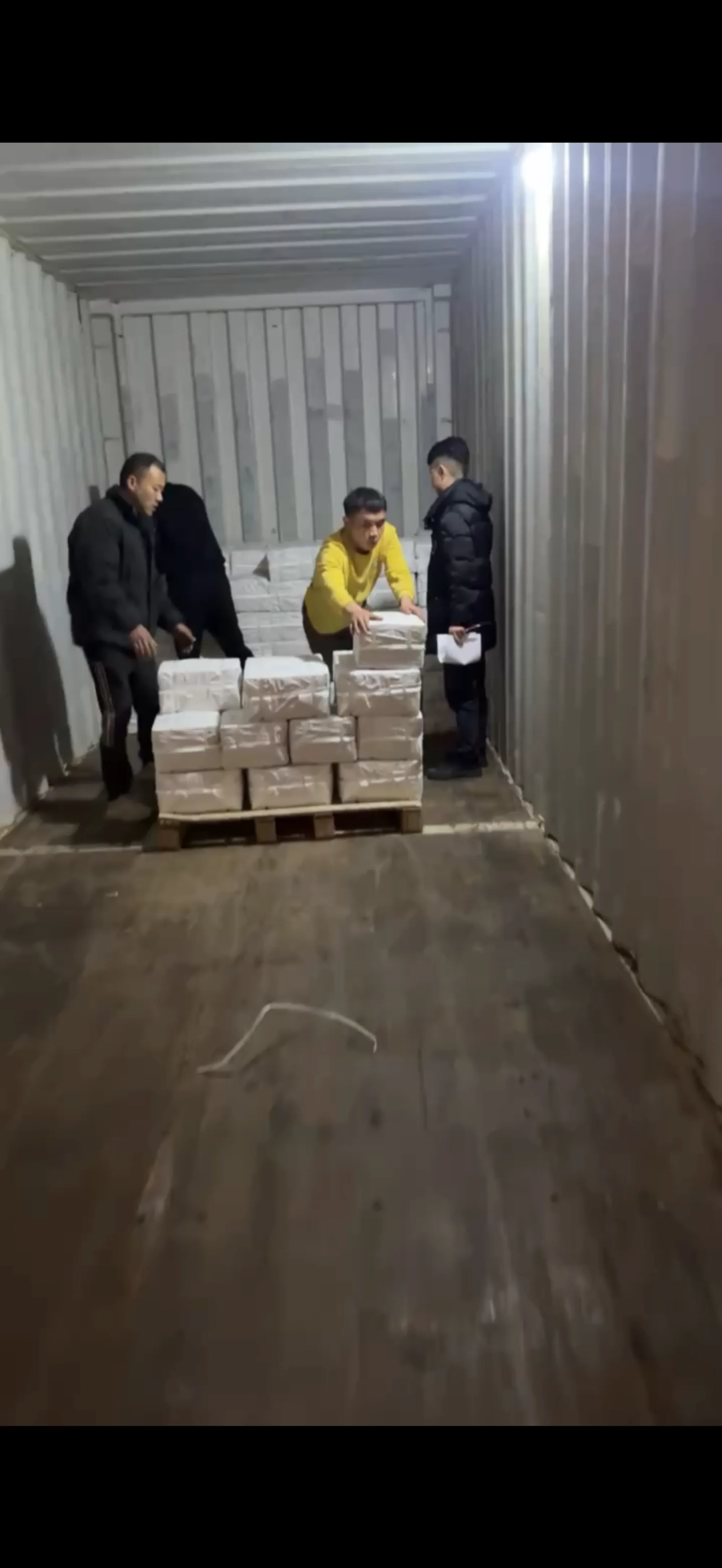
5. **Shipment decision** — Release balance payment only on pass or accepted conditional rework. If inspection fails, negotiate rework and re-inspection before authorizing loading. Pair PSI with container loading supervision when short count or mixed-carton risk is high.

What KM Enterprises documents (photos, defects, carton count)

Our PSI reports are built for import managers and owners — not factory QC departments. Standard deliverables include:

• Product photos against approved sample and spec sheet

• Defect photos with classification (critical / major / minor)

• Carton count, gross/net weight spot checks, and packing list alignment

• Labeling, barcodes, insert cards, and retail packaging review

• Export carton condition, palletization, and shipping marks

• Clear recommendation: approve shipment, rework required, or do not ship

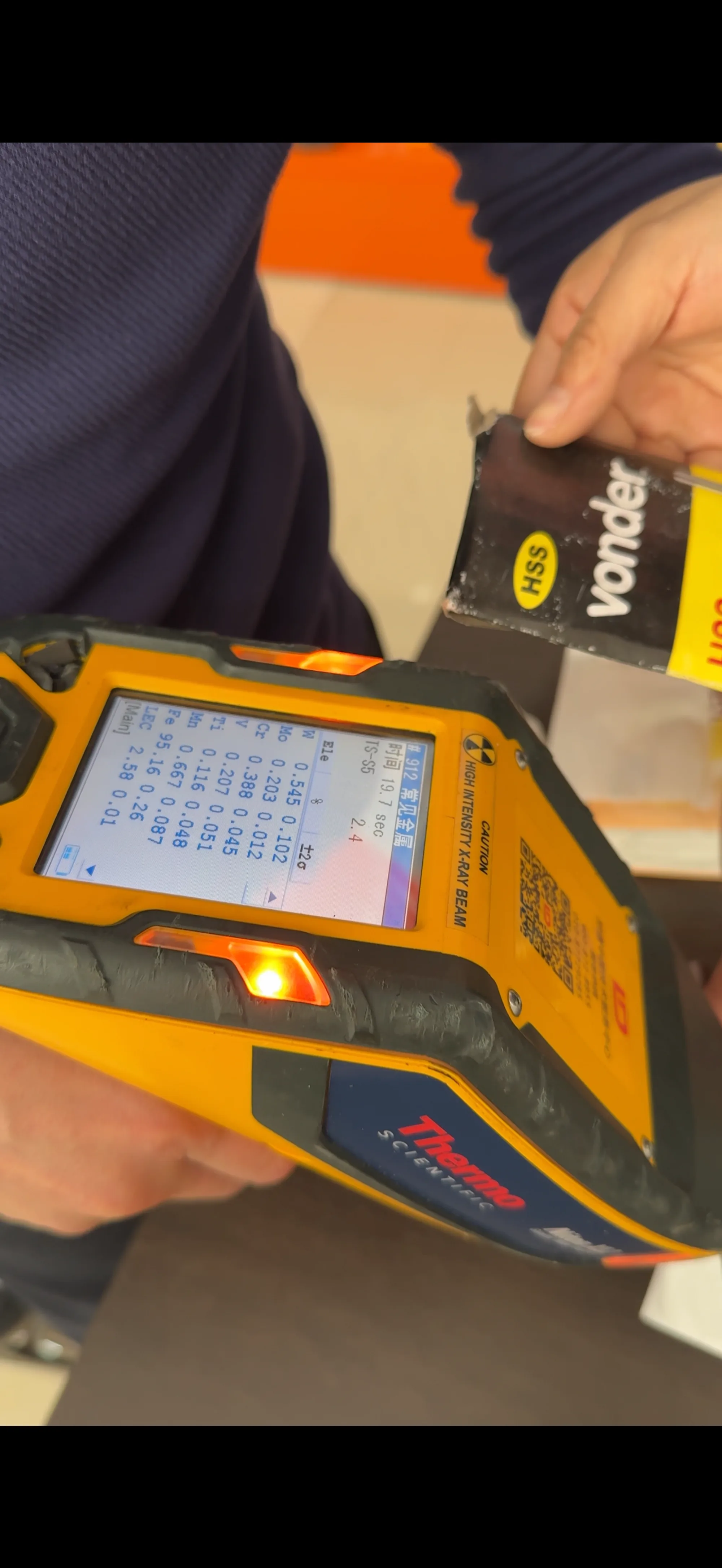
For regulated or high-spec categories, we coordinate material testing and compliance checks — see our material testing and quality inspection case study for how documented QC supported an air freight hardware program.

New to the supplier? Combine PSI with our free supplier verification checklist so you verify capability before deposit and quality before balance.

Cost factors (location, SKU count, man-days)

PSI fees depend on inspector travel to the factory city, number of SKUs and sample points, inspection complexity (visual vs functional vs on-site testing), and whether re-inspection is required after rework. A single-SKU order in Jiangsu near our Nanjing team costs less than a multi-SKU program requiring overnight travel to inland provinces.

KM quotes transparently before booking — no hidden factory facilitation fees buried in the report. For budget planning, treat PSI as a fraction of one container's landed value; the cost of skipping inspection (wrong goods, rework at destination, or write-off) is almost always higher.

Request a scoped quote on our request quote page with factory city, SKU count, and target ship week.

Common PSI failures and how to handle rework

Frequent failure reasons include quantity shortfall vs PO, workmanship drift from approved sample, incorrect colors or materials, missing labels or barcodes, poor export carton quality, and mixed SKUs inside master cartons. Functional failures — especially in electronics, hardware, and machinery — often trace back to component substitutions the factory never disclosed.

When PSI fails, do not release balance payment. Require a rework plan with dates, then schedule re-inspection on the corrected lot or affected cartons only. For partial shipments, document which cartons passed and which remain on hold — critical for loading supervision so only approved goods enter the container.

KM's recommendation is importer-first: we do not soften fail results to preserve factory relationships. That independence is why buyers wire final payment only after reading our report.

Who books PSI — importers, sourcing agents, and QC managers

Pakistan and GCC distributors book PSI when they manage suppliers directly but cannot be at the factory before every shipment. Amazon and private-label sellers book PSI to protect batch consistency and retail packaging requirements. Procurement teams book PSI as a mandatory gate in their PO terms — balance payment clause references an independent pass report.

Some buyers ask their China sourcing agent to arrange inspection. That works only if the inspector is independent of the factory and reports to you. KM works for the buyer: our report goes to your inbox, not filtered through the supplier's sales team. If you already work with KM for supplier verification, we hold baseline factory data that makes PSI faster and more consistent across repeat orders.

Pair PSI with logistics planning

Passing PSI is not the finish line — it is the green light to book freight and align export documents. Many importers lose vessel space because they treat inspection and logistics as separate workstreams. Estimate CBM and chargeable weight in our shipment calculator as soon as you have a conditional production ready date, then confirm booking with your forwarder or KM logistics support once PSI passes.

For first orders from a new supplier, consider the full gate sequence: verification before deposit, sample approval, optional DPI on large runs, PSI before balance, and loading supervision on the first container. That sequence is how experienced buyers avoid the most expensive mistakes in China sourcing.

Sample retention and defect classification during PSI

Inspectors retain defect samples and reference units when agreed in advance — useful when you need proof for supplier rework negotiations or insurance claims. Critical defects (safety, sharp edges, electrical failure, missing regulatory marks) are classified separately from major cosmetic issues and minor packaging blemishes.

Align defect definitions in your PO or inspection brief before the visit. Ambiguity causes factories to dispute fail results. KM uses buyer-provided checklists when available and supplements with category-standard tests for building materials, hardware, apparel, and industrial components.

Photo documentation includes wide shots of the lot, close-ups of each defect type, carton labels, and packing list pages — enough detail for a procurement manager in Karachi or Riyadh to decide release without calling the factory.

Ready to scope your shipment? Request an inspection quote with factory city, ready date, and SKU count.

Plan freight after PSI passes

Once inspection clears, estimate CBM, chargeable air weight, and container fit before booking sea or air freight.

FAQ

Frequently asked questions

Quick answers before you book inspection or verification with KM Enterprises.

When should I book pre-shipment inspection in China?

Book PSI when production is complete and goods are at least 80% packed, typically 3–7 days before the planned loading date. Booking too early means the factory may still add uninspected units; booking too late risks missing vessel cut-off if rework is required.

Can I release balance payment if PSI shows minor defects only?

That depends on your AQL agreement and commercial tolerance. Minor defects within agreed AQL may still yield a pass. Document your acceptance decision in writing and consider whether destination customers or retailers will accept the same defect level.

How is PSI different from the factory's own QC report?

Factory QC serves the factory's shipping goal. Independent PSI serves the buyer's payment and acceptance decision. KM inspectors are paid by the buyer, follow your checklist, and report defects without factory editing.

Do you inspect every unit in the order?

Standard PSI uses AQL random sampling per international practice. Full 100% inspection is available for high-value or regulated goods but requires separate scoping and additional man-days.

What regions in China do you cover for PSI?

KM Enterprises is based in Nanjing and regularly inspects in Jiangsu, Zhejiang, Guangdong, Shandong, Fujian, and other major export regions. We confirm travel and lead time when you request a quote.

How fast do I receive the inspection report?

Most PSI reports are delivered within 24 hours of the factory visit, including defect photos and a clear ship / hold recommendation. Urgent same-day summaries can be arranged when scoped in advance.

Can PSI and container loading supervision happen on the same day?

Yes. Many Pakistan and GCC buyers book PSI immediately before loading supervision so only passed cartons are sealed into the container. This reduces short-count and mixed-batch risk at destination.

What do I need to provide before inspection day?

Provide approved sample or spec sheet, purchase order, packing list draft, factory contact, and any critical test points. If you used our verification service earlier, we already hold baseline factory data to speed the visit.

Should I attend PSI in person or hire KM?

Most overseas buyers hire independent inspection because travel cost exceeds inspection fees and because a local team can respond faster when rework is needed. KM provides the same-day photo evidence you would collect on site, without visa and flight overhead.

What happens if the factory refuses inspection?

Refusal is a serious red flag. Do not release balance payment. Legitimate export factories accustomed to international buyers accept buyer-appointed inspection. Escalate with your contract terms or walk away.

Request an inspection quote

Share your product category, factory city, and shipment date — we will confirm scope, sampling plan, and report turnaround before you release balance payment.

Pre-Shipment Inspection in China | KM Enterprises