Challenge
The buyer sourced 8,200 square meters of porcelain floor tile for a mixed-use development in Jeddah — four shades, two sizes, and strict lot consistency requirements for lobby and corridor zones. Fujian factory pricing beat European alternatives on landed cost, but a peer importer had warned of shade mixing across pallets and short counts hidden by incorrect carton marks on a prior China tile program cleared at Jeddah Islamic Port.
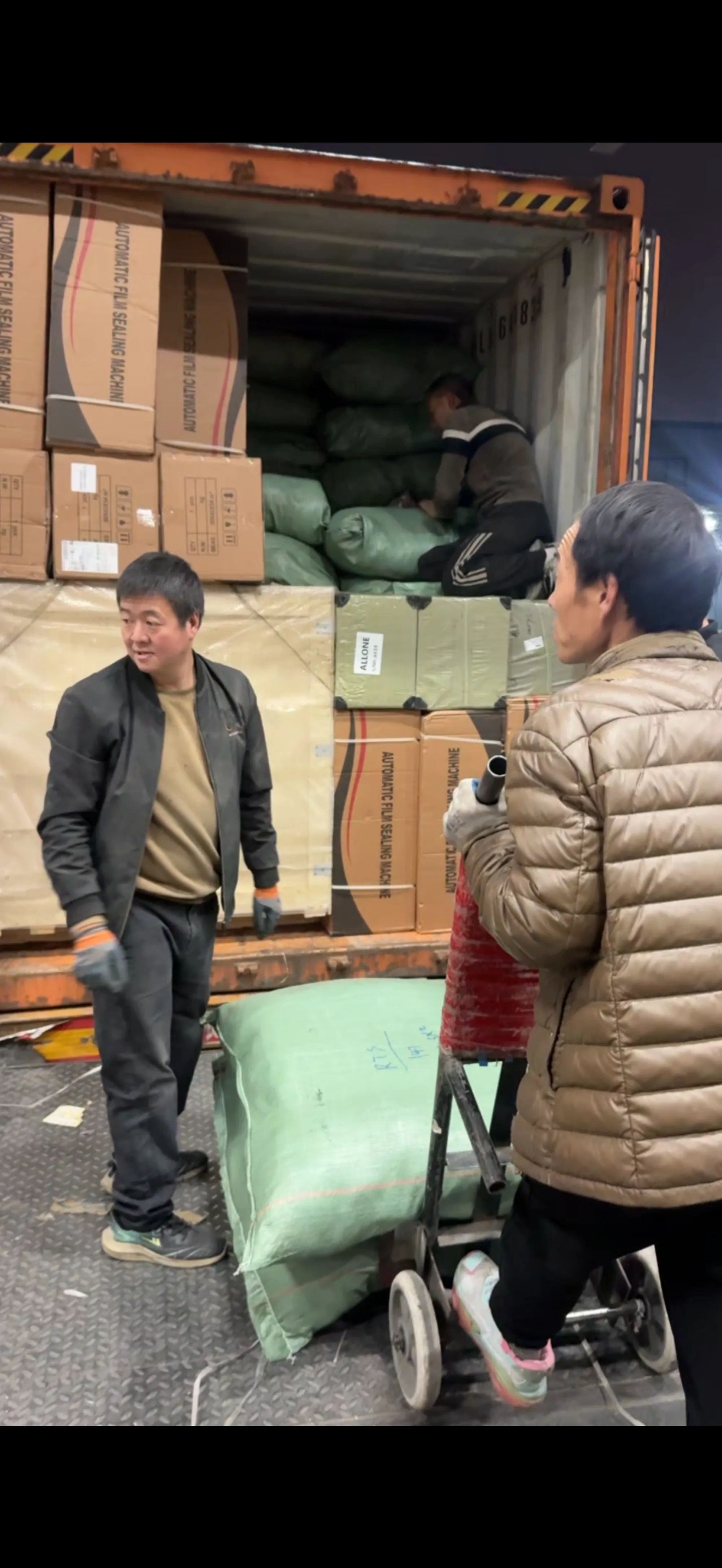
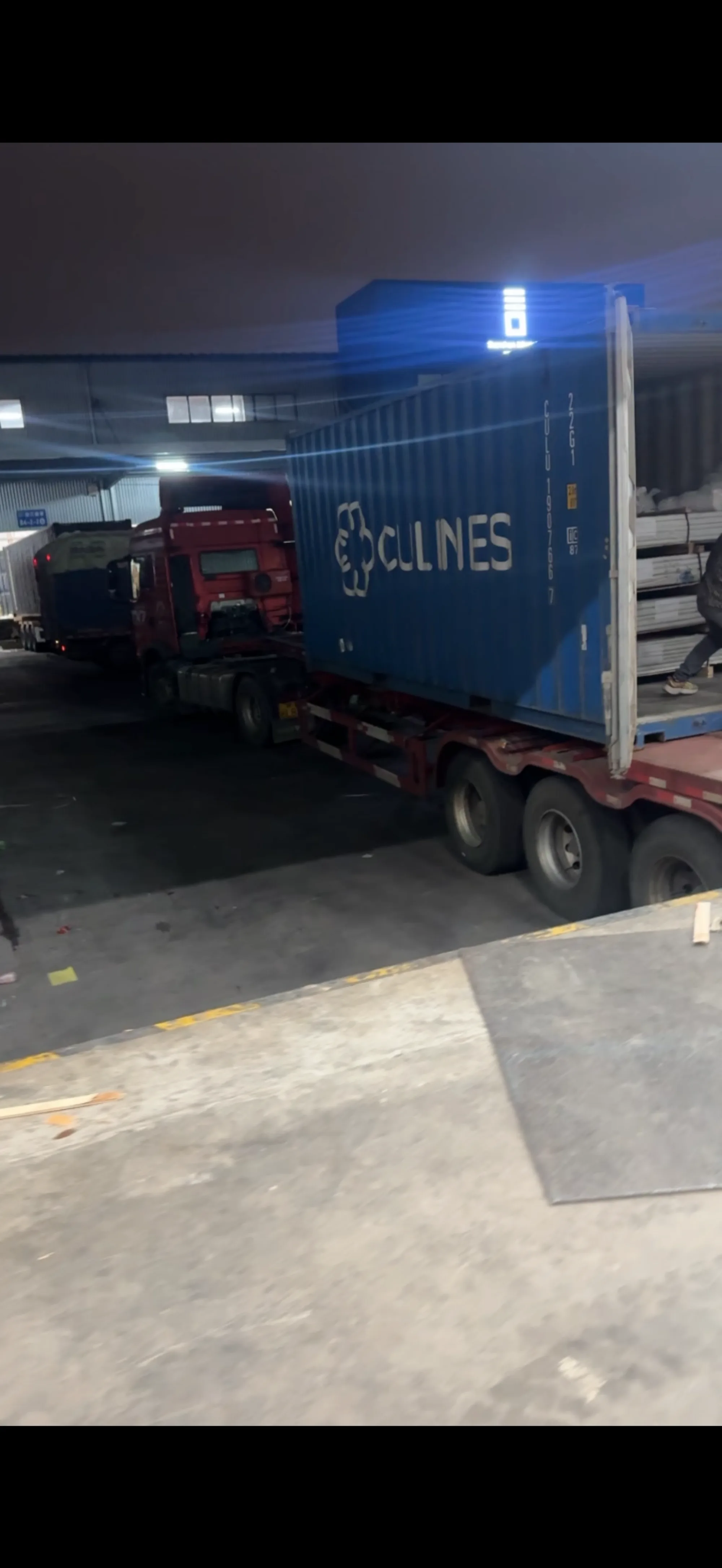
PSI had passed on random carton sampling two days before loading, yet the buyer's project manager knew PSI alone does not confirm which cartons enter the container — factories sometimes hold failed shades for rework while shipping approved SKUs, then mix residual cartons under time pressure at the loading bay. With seventy percent balance outstanding and a crane booking at the supplier warehouse, the buyer required independent container loading supervision: SKU-by-SKU load verification, shade lot traceability from carton marks to packing list, moisture wrap and corner protection on heavy cartons, and container plus seal numbers recorded before the truck departed for port.
Red Sea routing to Jeddah Islamic Port added urgency — mis-declared quantity or shade lot errors discovered after sail leave the buyer with freight paid and installation crews idle. The buyer engaged KM after pre-shipment inspection on the same lot, aligned to import from China to Saudi Arabia document requirements and the developer's milestone schedule.
Prior unsupervised tile imports for a sister project had produced shade patchwork in guest corridors — an outcome the architect refused to accept again. Loading supervision was written into PO terms as a balance-release condition alongside PSI pass, not an optional add-on the factory could skip when warehouse space was tight.