
KM Enterprises

Material Testing and PSI for Coated Hardware — Saudi Arabia

A Dammam hardware distributor required XRF coating verification, salt-spray documentation cross-check, and pre-shipment inspection before air and sea dispatch of zinc-coated anchor and bracket sets for KSA construction retail.

XRF coating compliance testing on hardware bound for Saudi retail channels
Hardware & Coated FastenersIndustrial DistributorSaudi Arabia

Outcomes

Project Results at a Glance

Pieces inspected

186,000

Nine SKUs with XRF coating screening on representative samples

Held batch

Rework cleared

14,400 pcs re-coated and passed repeat XRF before release

Retail returns

Zero

No coating micron dispute at Dammam partner incoming QC

Project story

Challenge → Solution → Result

01

Challenge

The buyer supplies coated fasteners and structural brackets to construction retailers and contractor yards across Eastern Province and Riyadh. Their Hebei manufacturer offered competitive zinc-flake pricing on anchor sets specified for interior and semi-exposed applications — but prior shipments had arrived with coating weight below stated micron claims and inconsistent torque performance on sampled bolts, triggering returns from a major retail partner.

Destination requirements included documented coating composition suitable for the buyer's SASO-aligned retail packaging program, dimensional consistency against approved samples, and AQL workmanship on thread integrity and head formation. The PO mixed air freight urgent SKUs and sea FCL bulk — roughly 186,000 pieces across nine line items. Finance would not release balance without material verification beyond visual inspection: the buyer needed XRF screening on random coating samples, cross-check of factory-provided salt-spray report currency, dimensional gauging on critical shank diameters, and hold/release recommendation before authorizing payment and booking.

Production completed ahead of the supplier's claimed ready date — a pattern the buyer distrusted after prior rushed shipments skipped QC. They engaged KM for coordinated quality inspection and material testing aligned to import from China to Saudi Arabia documentation expectations and their retail partner's incoming QC protocol.

The buyer's finance team had blocked balance on the prior order for eleven days pending inconclusive factory self-test PDFs — a delay they refused to repeat on a PO split across urgent air SKUs and bulk sea cartons bound for Dammam and Riyadh depots.

02

Solution

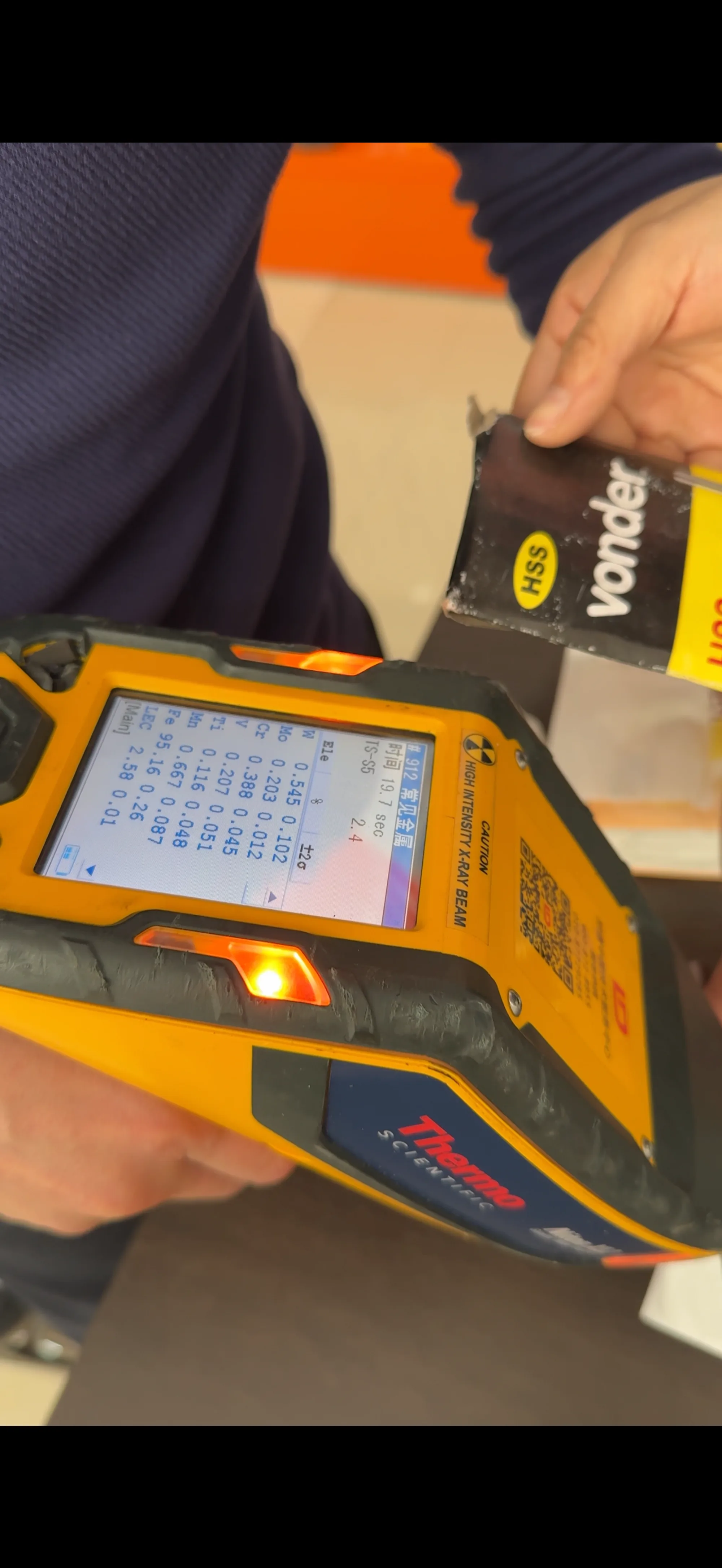
KM scoped a combined gate: pre-shipment inspection with AQL Level II on workmanship, random XRF screening on zinc-flake coating across three representative line items, dimensional verification against golden samples on shank, thread, and head features, torque spot-check on a functional subset, master carton and inner retail pack count against commercial invoice, and export mark alignment to PO references.

Inspectors segregated one line item batch where XRF readings trended below the buyer's minimum coating threshold — holding 14,400 pieces pending factory rework and re-coating documentation. Salt-spray certificate review flagged an expired report on a secondary SKU; KM required updated third-party test documentation before including that SKU in the pass recommendation — consistent with material discipline in our third-party inspection framework.

Rework re-inspection ran four days later on held quantity with repeat XRF on the corrected batch. Cleared goods split into air and sea consignments per buyer instruction; KM provided chargeable weight confirmation on air cartons for freight logistics planning and packing list splits matching two commercial invoices. Initial supplier verification from the buyer's onboarding phase ensured inspection occurred at the licensed Hebei facility — not a broker warehouse.

Salt-spray and adhesion documentation was cross-checked to SKU level — generic mill certificates that did not reference the exported part numbers were rejected from the pass package until the factory issued updated third-party reports tied to the PO line items.

  • Pre-Shipment Inspection
  • Material Testing Coordination
  • Rework Re-Inspection
  • Supplier Verification
  • Air and Sea Freight Planning Support
03

Result

Final inspection report recommended pass on 171,600 pieces and documented hold resolution on the reworked 14,400-piece batch after repeat XRF within buyer thresholds. Dimensional and torque spot-checks matched approved samples; AQL acceptance recorded on workmanship with photo evidence of segregated defects removed from export cartons. The buyer released balance payment on report pass — air consignment departed within forty-eight hours for urgent SKUs, sea FCL followed one week later with PSI-aligned packing lists.

Retail partner incoming QC in Dammam accepted the shipment without coating dispute — the first China-origin anchor program the distributor cleared without a return batch for micron deficiency. Customs processing on the sea leg completed without documentation hold on test certificate alignment the buyer's broker had flagged on prior orders.

KM remains inspection and material testing partner for quarterly reorders. Hardware importers with coating compliance requirements can request a quote with SKU count, coating spec, and Dammam or Riyadh delivery split.

The distributor's retail partner later adopted KM inspection summaries as acceptable incoming QC waiver for this supplier — reducing duplicate testing at Dammam warehouse while preserving accountability back to the China inspection gate.

Why Saudi hardware distributors require material testing beyond visual QC

Coated fasteners and brackets look acceptable in a showroom sample until retail incoming QC measures micron thickness, torque consistency, or coating composition — failures that visual inspection misses and factory self-reports rarely catch at scale. KSA construction retail chains increasingly align supplier incoming protocols with SASO-conscious documentation; importers who ship on factory-provided test PDFs alone absorb returns when spot checks fail in Dammam or Riyadh warehouses.

Hebei, Zhejiang, and Jiangsu hardware clusters compete aggressively on zinc-flake and electroplated pricing — but coating line discipline varies by shift and batch. XRF screening on random samples exposes under-coating trends before entire cartons sail. Cross-checking salt-spray and adhesion report currency catches expired certificates reused across unrelated POs — a common gap KM flags during combined material and PSI gates.

KM Enterprises coordinates on-site inspection and material testing from Nanjing with field teams at manufacturing regions — not remote checklist review. Pair testing discipline with import from China to Saudi Arabia conformity planning and quality inspection service scope before you structure balance payment terms.

Coating claims on quotation sheets — micron ranges, salt-spray hours, torque tables — should be copied into the PO and referenced in inspection scope so factory marketing PDFs cannot drift from the lot actually produced.

Combined PSI and material testing scope for coated fasteners

Effective hardware gates merge AQL workmanship inspection with targeted material verification. For this Dammam program, KM executed dimensional gauging against golden samples, thread and head formation checks under AQL Level II, torque spot-check on a functional random subset, XRF screening on zinc-flake coating across representative line items, salt-spray certificate currency review, carton count and retail pack alignment, and export mark verification against PO references.

When XRF trended below buyer minimum on one batch, KM segregated 14,400 pieces before they entered air or sea consignments — documenting hold with photos rather than averaging readings into a pass. Rework required re-coating and repeat XRF on the corrected lot only, preserving timeline on cleared SKUs the buyer air-freighted for urgent retail replenishment.

Material testing complements — does not replace — factory audit system review on new suppliers. Buyers onboarding Hebei coating lines should still run supplier verification before payment before first deposit. Review pre-shipment inspection China for balance gate language tied to test results.

Random XRF sampling points are recorded on the factory floor map in KM reports — repeat orders test the same stations so coating drift is trended order-over-order rather than treated as isolated pass/fail events.

Air and sea split programs: inspection sequencing

Mixed urgency POs challenge factories tempted to ship ready cartons before held batches clear retest. KM sequenced pass recommendation only after rework re-inspection completed on segregated quantity — air consignment SKUs verified against cleared list, chargeable weight confirmed for freight logistics air booking, separate packing list and commercial invoice split matching physical cartons. Sea FCL followed one week later with PSI-aligned documentation the buyer's forwarder used for bill of lading without quantity reconciliation delays.

Document alignment matters for KSA brokers: test certificates referenced in inspection report matched SKU descriptions on invoice lines — avoiding customs questions on prior orders where generic mill sheets did not map to exported part numbers. KM does not issue SABER certificates; conformity remains buyer and notified body scope — but we flag documentation gaps before freight is paid.

Optional container loading supervision on sea legs adds quantity integrity at seal when bracket cartons are heavy and count disputes are costly. Product sourcing support helps when retest failure triggers supplier shortlist review mid-program.

Split air and sea consignments require duplicate commercial documentation discipline — KM verified that test certificate references on the air invoice matched the SKUs physically in those cartons, preventing a common error where sea-leg mill sheets are reused on partial air uplift.

Retail acceptance and repeat order efficiency

The distributor's measurable win was zero return batch at retail incoming QC — coating readings within agreed thresholds, torque spot-checks consistent with approved samples, and documentation the retail partner filed without escalation. Compared to prior shipments that triggered markdown and return freight, inspection and XRF cost recovered several times on one PO.

Repeat quarterly orders reuse KM baseline data: inspectors familiar with coating line layout, consistent XRF sampling points, and faster booking because export and QC contacts are mapped. Reverification runs if factory changes plating vendor or export entity — common trigger for coating drift.

Hardware importers serving Dammam, Riyadh, and Jeddah retail channels can request a quote with coating specification and SKU matrix. Use our landed cost calculator with broker duty inputs when comparing Hebei quotes, and review our existing material testing quality inspection case study for parallel South Asia program outcomes.

Saudi retail chains increasingly request coating traceability in supplier scorecards — KM reports with XRF tables and hold-resolution photos gave the Dammam distributor audit-ready files for annual vendor review without commissioning duplicate local lab work.

On-the-ground proof

Genuine KM Enterprises Project Photos

Editorial visuals illustrate the project context above. These photos are from real KM field work — loading supervision, factory verification, and inspection documentation in China.

XRF coating screening on hardware during Saudi-bound inspection
Coated anchor and bracket sets staged for pre-shipment inspection
Inspector recording material test readings on coated fasteners

Inspect and test before your KSA hardware shipment

Share coating spec, SKU count, and air/sea split — we confirm PSI, XRF scope, and report turnaround before you release balance on your hardware order.

Material Testing and PSI for Coated Hardware — Saudi Arabia | KM Enterprises