Loading…
Import from China to Pakistan
Verification, quality inspection, and freight coordination for Pakistani importers — from first supplier contact through Karachi and Port Qasim arrival. One Nanjing-based team for sourcing, QC, and shipping.
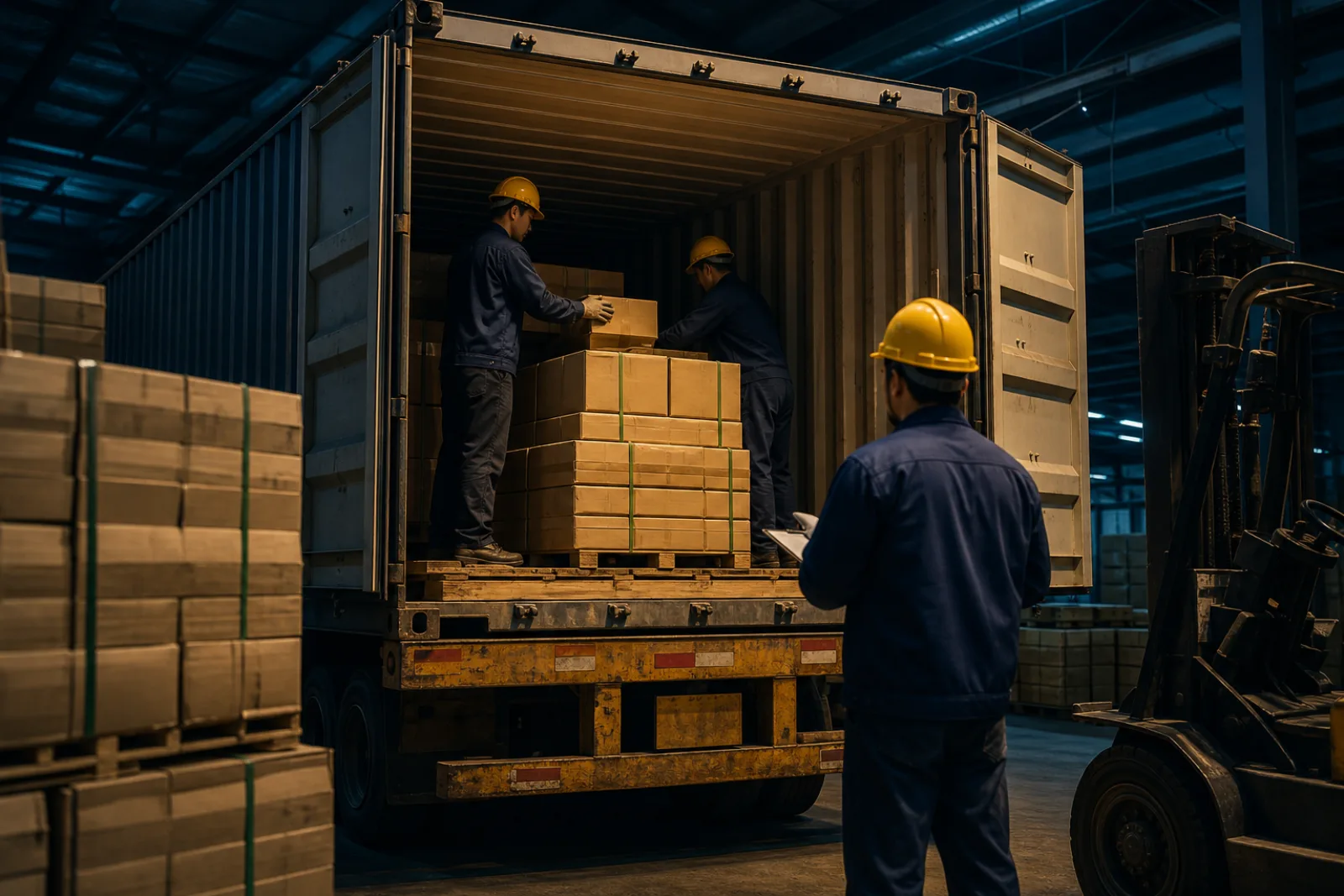
Services12 min readChina → Pakistan
On-the-ground control
How KM Protects China–Pakistan Shipments
Operational photos from verification, inspection, and loading — paired with corridor-specific market guidance below.
CORRIDOR OPS
Karachi and Port Qasim programs rely on seal logs and carton counts before vessel departure.
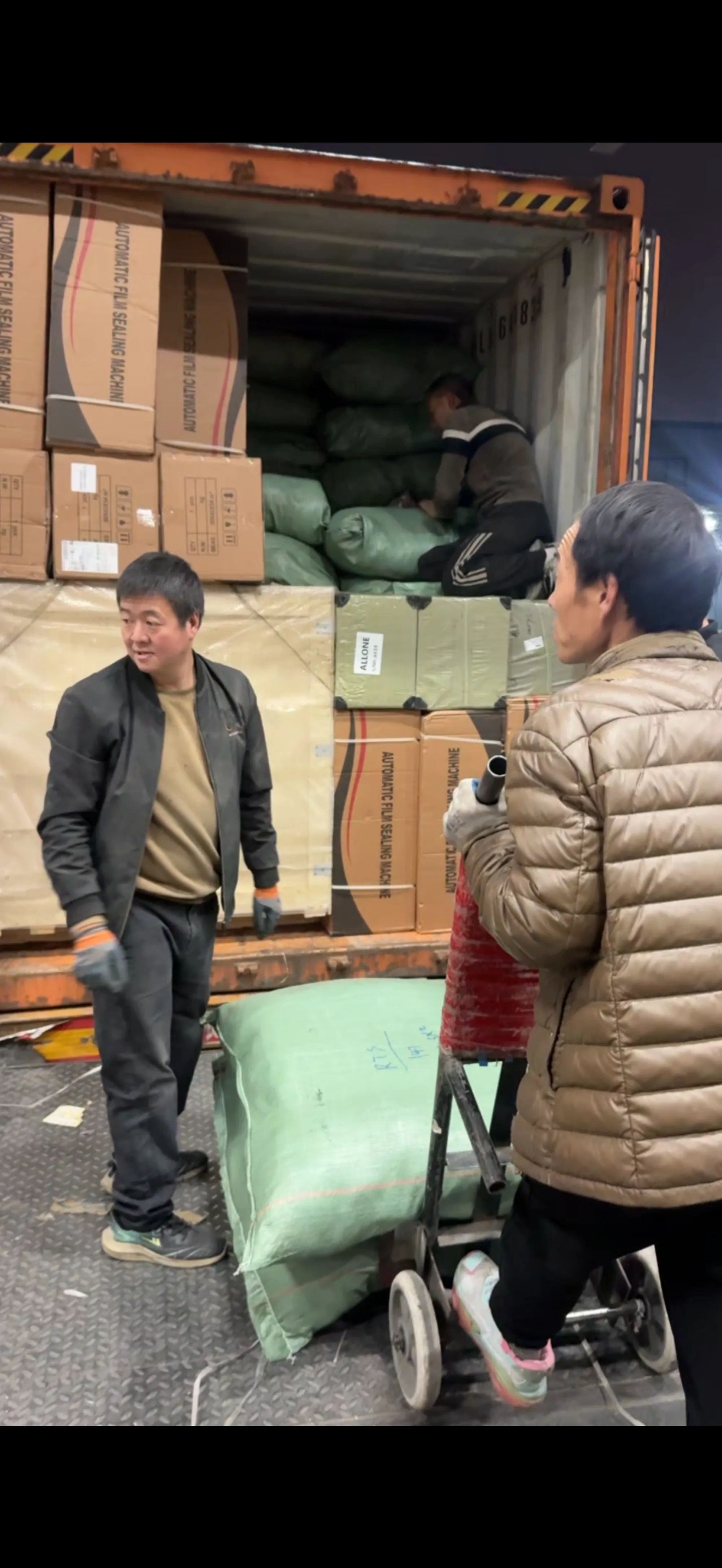
LOADING
Loading supervision closes the gap between PSI release and what actually sails.
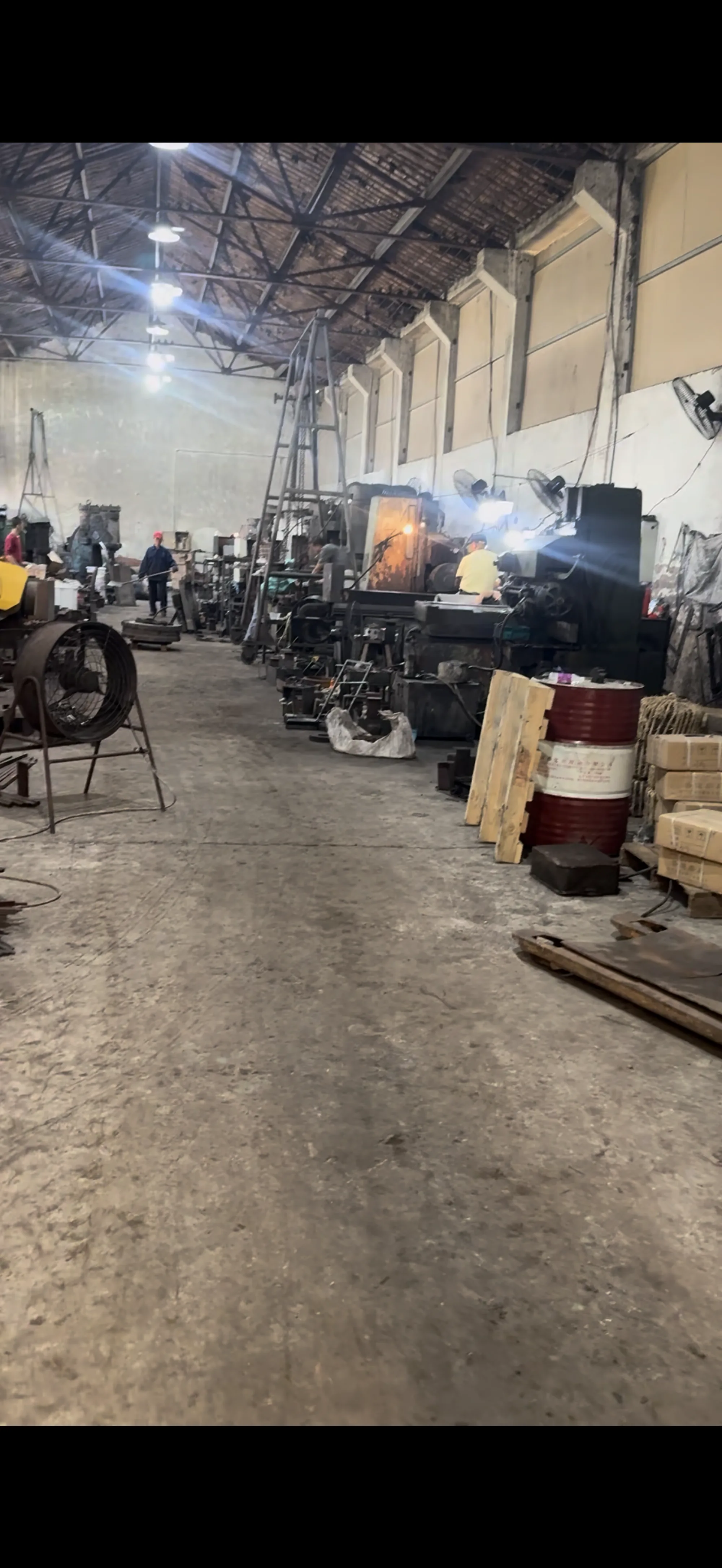
FACTORY CHECK
Supplier verification before deposit remains the first control gate on this corridor.
Import process
Eight steps from inquiry to delivery in Pakistan
- 01
Submit inquiry
Share product specs, quantity, and Pakistan delivery city.
- 02
Supplier shortlist
We identify and compare factories aligned with your category and MOQ.
- 03
Verification
License, export readiness, and facility checks before deposit.
- 04
Sample approval
Samples inspected and refined until they match your market requirements.
- 05
Production monitoring
Milestone updates while bulk order runs on schedule.
- 06
Pre-shipment inspection
AQL QC and photo report before balance payment.
- 07
Freight and documents
Sea or air booking, export docs, and loading supervision when required.
- 08
Delivery in Pakistan
Goods arrive at Karachi, Port Qasim, or air port with aligned paperwork.
Explore our full service pipeline on services or request a corridor quote.
Corridor focus
Why China–Pakistan is a core corridor for KM Enterprises
Pakistan buyers source building materials, industrial machinery, auto parts, hardware, and consumer goods from China at scale — but distance, payment timing, and supplier opacity create recurring disputes: wrong specs, short counts, and documents that do not match the physical load. KM Enterprises serves this corridor from Nanjing with the same team handling verification, inspection, and freight coordination.
We documented this approach for a Pakistan distributor who needed verified carton counts and seal alignment before a 20ft FCL to Karachi — see our container loading supervision case study for Pakistan. Whether you import to Lahore, Karachi, or Faisalabad, the control points are the same: verify before deposit, inspect before balance, supervise loading when risk is high.
Categories
Popular product categories for Pakistan importers
Repeat China–Pakistan programs we support include:
Building materials — tiles, sanitary ware, steel profiles, doors, and fixtures (building materials industry page)
Industrial machinery and production equipment
Auto parts and aftermarket components
Hardware, tools, and electrical accessories
Consumer goods and private-label retail programs
Process
End-to-end import process for Pakistan buyers
Align your program to eight control stages — the same journey shown on our homepage process timeline. Skipping verification or PSI to save time usually costs more at Karachi customs or in market returns.
If you are new to the corridor, read how to source from China safely first, then use this page as your Pakistan-specific hub for freight, documents, and KM service scope.
Quality gates
Verification and inspection gates (before deposit and before balance)
Gate 1 — before deposit: confirm the supplier is real, export-registered, and capable for your quantity. Use our supplier verification before payment guide and free checklist to structure due diligence.
Gate 2 — before balance payment: book pre-shipment inspection in China with AQL sampling and photo documentation. For container programs, add loading supervision so carton counts and seal numbers match the packing list before the bill of lading is issued.
These gates protect Pakistani importers who cannot visit the factory in person for every order.
Freight
Shipping options: sea FCL/LCL and air — Karachi and Port Qasim
Sea freight is the default for building materials and heavy industrial cargo. FCL suits full container programs; LCL consolidation works for smaller trial orders above air cost thresholds. Main entry points are Karachi Port and Port Qasim — confirm which port your forwarder uses before production completes because inland delivery timing from each differs.
Air freight suits high-value, urgent, or sample-heavy programs — hardware, electronics, and spare parts often move by air when sea transit would miss a season or project deadline. Use our shipment calculator to compare chargeable weight and CBM before committing to a mode.
KM coordinates booking support and document alignment with your forwarder; we do not replace licensed customs brokers in Pakistan.
Documentation
Documents importers need for China export and Pakistan clearance
Core documents typically include commercial invoice, packing list, bill of lading (sea) or air waybill, certificate of origin when required, and inspection certificates for regulated categories. Invoice and packing list values and quantities must match the physical shipment — discrepancies trigger holds at clearance.
For a document overview independent of destination, see documents needed for import from China. A dedicated Pakistan customs child page is planned; until then, confirm HS codes and duty treatment with your broker early using our HS code and duty guide.
Landed cost
Landed cost components — plan before you sign the PO
Unit price is only part of landed cost. Budget for inspection, inland China transport to port, ocean or air freight, insurance, destination port charges, customs duty and taxes, and inland delivery to Lahore or other cities. FX timing on PKR payments also affects margin.
Use our landed cost calculator with your incoterm assumptions before approving supplier quotes — especially when comparing FOB China offers that omit freight and duty.
Risk
Common mistakes Pakistan importers make
Frequent errors include wiring large deposits before verification, skipping PSI to hit a vessel date, accepting factory packing lists without load supervision, choosing incoterms without understanding who pays which leg, and comparing supplier FOB prices without duty and freight. Another mistake is treating Alibaba trade assurance as a substitute for independent inspection — platform protection does not replace on-site QC before balance payment.
Correcting these on the China side before loading is cheaper than disputes after goods arrive in Karachi.
KM support
How KM supports Pakistan buyers from Nanjing
KM Enterprises is not a directory of random inspectors — we manage sourcing, supplier verification, pre-shipment inspection, and freight logistics as one accountable workflow. Pakistani importers work with a single export team that already knows the factory, the inspection history, and the shipment documents.
Ready to scope a program? Request a quote for China to Pakistan with product category, quantity, and target delivery city. Not ready to book yet? Download the free supplier verification checklist and run the first gate yourself.
Payment
Payment terms Pakistani importers should use with China suppliers
Safe structures usually include a modest deposit after verification pass (often 20–30% for custom goods), progress payment only when justified by material purchase, and balance tied to pre-shipment inspection pass — not merely factory claim that goods are ready. Avoid 100% TT before production or before documented QC.
Confirm bank beneficiary name matches the verified export entity from your verification report. If the supplier requests payment to a different company mid-order, stop and re-verify. Currency (USD vs RMB) and PKR conversion timing affect margin — separate from supplier legitimacy but critical for your finance team.
KM does not hold buyer funds; we document gates so you release payment with evidence. Pair payment discipline with PSI and our Pakistan loading supervision case study approach when carton integrity matters.
Transit
Transit times and planning buffer for Karachi programs
Production lead time plus 18–28 days sea transit plus Pakistan port clearance and inland haul to Lahore or Islamabad can easily reach 60–90 days door-to-door on first orders. Add 3–5 days for PSI scheduling and potential rework if defects are found.
Air freight compresses transit to roughly 5–10 days door-to-door depending on origin airport and Lahore/Karachi customs — at a premium suitable for urgent spare parts, samples, or high-margin SKUs. Use the shipment calculator early to see when air becomes cheaper than sea per unit for your carton dimensions.
Build marketing and project timelines backward from required arrival date, not from when the supplier says goods are "almost ready."
First order
First-time importers: China to Pakistan checklist
If this is your first corridor program, sequence these steps: (1) verify supplier before deposit using our verification guide; (2) approve sample with photos and specs in writing; (3) issue PO with inspection and documentation clauses; (4) monitor production milestones; (5) book PSI before balance; (6) confirm freight and documents with forwarder; (7) clear customs with broker using aligned invoice and packing list; (8) evaluate supplier for repeat order or reverification.
KM can execute steps 1–6 as one managed program — common for Pakistan distributors who want one accountable partner rather than separate agents for QC and freight.
Ports
Karachi vs Port Qasim — what importers should confirm early
Both ports serve Pakistan-bound container traffic from China. Your forwarder selects discharge port based on carrier routing, consignee location, and terminal handling — not the supplier's preference alone. Lahore and Punjab consignees often plan inland haul from Karachi regardless of port name on the bill of lading, but terminal congestion and customs exam rates vary by period.
Confirm with your Pakistan customs broker which port appears on the bill of lading and whether any product-specific routing rules apply to your HS chapter. KM aligns export-side packing list and weight data before departure so broker entry matches physical cargo.
Building materials
Building materials programs — why inspection matters for tiles and fixtures
Building materials shipments to Pakistan often run multi-SKU containers with heavy cartons sensitive to stacking damage. PSI confirms shade consistency for tiles, glaze defects, carton labeling by batch, and corner protection before loading. Our building materials industry page outlines category-specific verification and inspection steps.
For distributors who experienced short count or shade mismatch on prior imports, loading supervision plus PSI is standard on the first two containers from any new supplier — the same control pattern documented in our Pakistan container supervision case study.
Landed cost
Modeling margin with realistic landed cost in PKR
FOB Shanghai price comparisons mislead when duty, freight, insurance, port charges, and inland delivery differ by category. A lower unit price with poor carton packing can increase damage claims and erode margin after Lahore warehouse receipt.
Run scenarios in the landed cost calculator with your broker's duty estimate before negotiating final PO price. Include inspection and verification fees as line items — they are typically smaller than one customs hold week or one rework container.
Air vs sea
When Pakistan importers choose air freight over sea
Air makes sense for urgent project spare parts, high-value electronics, fashion seasons with tight launch windows, and sample-heavy development before a sea bulk order. Chargeable weight often surprises first-time buyers — light bulky cartons become volumetric.
Sea remains default for building materials, heavy machinery, and full-container consumer goods programs where 18–28 day transit fits the sales calendar. Hybrid programs air first samples then sea for bulk after PSI pass are common for new SKU validation.
Compare modes in the shipment calculator with actual carton dimensions from the supplier before accepting their "air is faster" suggestion without cost impact.
Working with KM
What to send when requesting a China–Pakistan quote
Product description or photos, target quantity and MOQ flexibility, preferred incoterm if known, factory city if already selected, Pakistan delivery city, and target arrival month. If you already have a supplier contact, include legal company name for verification scoping.
KM responds with recommended gates — verification, sample plan, PSI, loading supervision, freight support — so you see full program cost drivers before deposit. Start on request quote or WhatsApp our sourcing team with the same brief.
Compliance
Product standards and testing for regulated categories
Some Pakistan-bound categories require test reports, material certificates, or labeling in Urdu/English depending on product type and broker assessment. KM coordinates supplier-side testing and inspection documentation but does not replace Pakistan Standards and Quality Control Authority or customs broker legal advice.
Plan testing lead time before production completion — rush certificates after PSI fail are expensive. Our material testing case study shows how documented lab results supported an air freight hardware program before balance release.
Plan freight and landed cost
Estimate CBM and chargeable weight, then model duty and delivery assumptions before you lock supplier pricing.
Free importer checklist
Run supplier document checks before your first deposit on the China–Pakistan corridor.
FAQ
China to Pakistan — frequently asked questions
Practical answers for importers planning verification, inspection, and freight on the China–Pakistan corridor.
How long does sea freight from China to Karachi take?
Typical transit is roughly 18–28 days port-to-port depending on origin port, carrier, and transshipment. Add production lead time, inspection, and Pakistan inland delivery when planning a launch date.
Do I need pre-shipment inspection for every China order to Pakistan?
For new suppliers or high-value container programs, yes. PSI before balance payment is the most effective way to prevent short count and quality disputes discovered in Karachi.
Can KM help with customs clearance in Pakistan?
KM prepares and aligns export-side documentation and coordinates with your freight forwarder. Import clearance and duty payment require your licensed customs broker in Pakistan.
What incoterm is best for Pakistan importers new to China?
FOB is common for sea shipments — seller delivers goods on board at the China port; buyer books freight and import clearance. Confirm exactly what is included in any CIF quote before comparing suppliers.
Can you supervise container loading for Karachi shipments?
Yes. Loading supervision verifies carton count, stacking, moisture protection, and seal numbers before the container departs — we documented this for a Pakistan building materials program in our case study.
How do I pay Chinese suppliers safely from Pakistan?
Use verified bank details matching the licensed export entity, structure deposits after verification, and tie balance payment to inspection pass. Avoid personal accounts and unrelated third-party receivers.
Does KM source products or only inspect?
Both. We shortlist suppliers, verify factories, manage samples and production, inspect before shipment, and support freight booking — one team for the full corridor.
Which Chinese ports serve Pakistan routes most often?
Ningbo, Shanghai, Shenzhen, and Qingdao are common export ports for Pakistan-bound cargo. The best port depends on factory location — inland trucking to port affects both cost and cut-off timing.
Can KM source building materials for Pakistan distributors?
Yes. We shortlist tile, sanitary ware, steel profile, and fixture suppliers, verify factories, inspect before shipment, and support freight booking — common for Lahore and Karachi distributors.
What is the difference between LCL and FCL for Pakistan trial orders?
LCL consolidates your cargo with other shipments when you do not fill a container — higher per-CBM cost but lower total commitment. FCL gives you a dedicated container, usually better economics above roughly 18–25 CBM depending on lane.
Request quote — China to Pakistan
Tell us your product, quantity, and delivery city in Pakistan. We respond with verification, inspection, and freight scope within one business day.