KM Enterprises

End-to-End China to Pakistan FCL Import Program — Karachi

A Faisalabad-based trading company launched a quarterly 40ft FCL program from multiple Zhejiang suppliers — with KM managing verification, PSI, loading supervision, export documents, and sea freight through Karachi in one Nanjing-coordinated workflow.

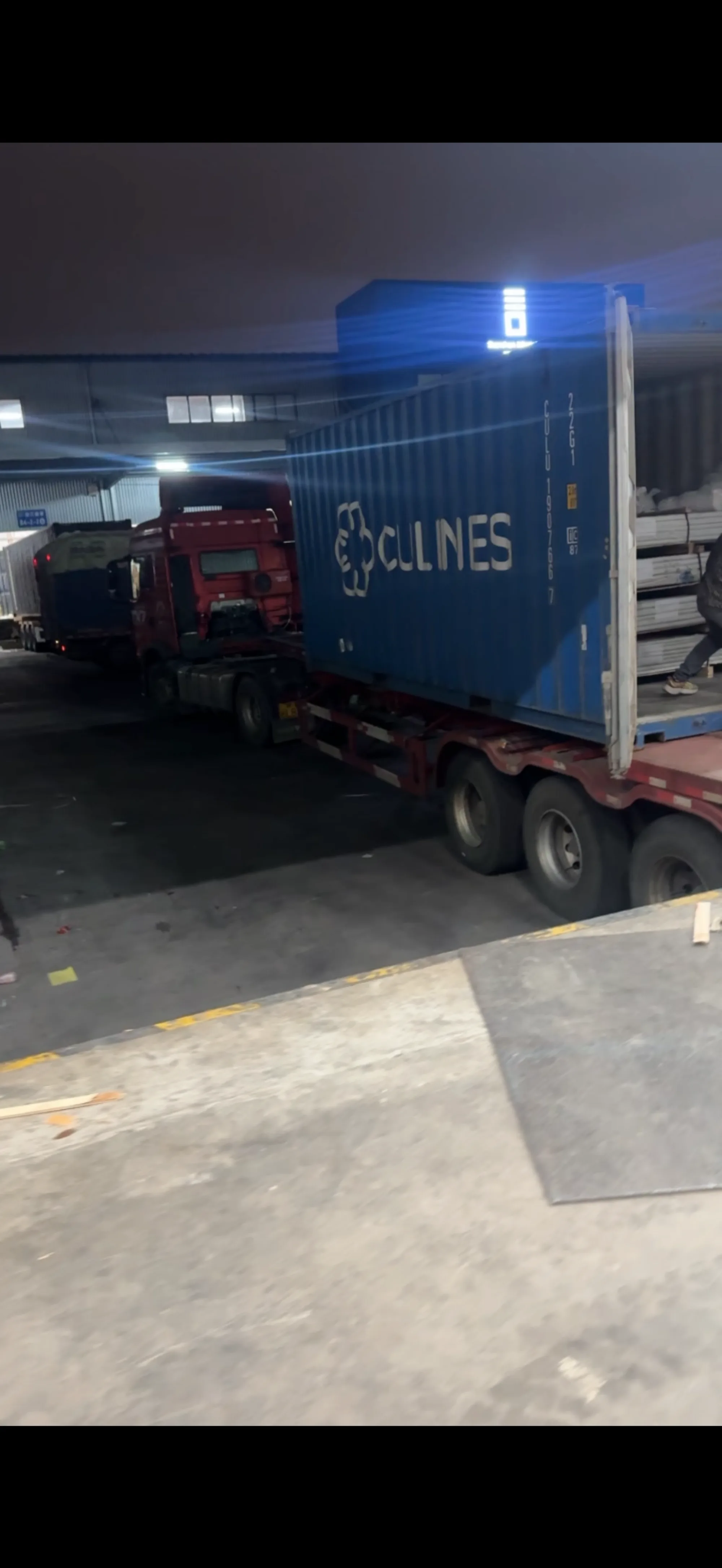
FCL container prepared for Karachi-bound departure after documented loading
Multi-Category ImportImporter / Trading CompanyPakistan

Outcomes

Project Results at a Glance

Consecutive FCLs

4 clean

Zero document holds at Karachi customs over 12 months

Customs clearance

2 days avg

Down from 9 days on prior unsupervised consolidation

Annual container program

6× 40ft FCL

Scaled from 4 after first-year performance

Project story

Challenge → Solution → Result

01

Challenge

The buyer had grown from single-category trial imports into a multi-SKU trading model serving Punjab retailers: hardware assortments, home organization products, and seasonal consumer goods bundled into quarterly containers. Growth exposed coordination gaps. Three suppliers shipped to a shared warehouse on different timelines; one factory sent goods before PSI cleared, another used a different export entity on the invoice than the verified license, and the forwarder received packing lists that did not match the consolidated manifest.

The prior quarter's container arrived in Karachi with a twelve-carton shortfall and HS code descriptions that triggered a customs query — costing nine days in storage and broker fees that erased margin on the entire shipment. The owner decided to centralize China-side control under one accountable partner rather than juggling separate inspectors, freight agents, and supplier WeChat groups.

Requirements were explicit: supplier verification on every new factory before deposit, mandatory pre-shipment inspection before goods entered the consolidation warehouse, container loading supervision with seal documentation, and export paperwork aligned to import from China to Pakistan broker expectations before vessel cut-off. The program target was four 40ft FCL departures per year to Karachi with predictable landed cost and zero document mismatches.

Faisalabad wholesale customers expected consistent assortment replenishment every ninety days — a rhythm the buyer could not sustain while firefighting document holds and short counts from unsupervised multi-supplier consolidation.

02

Solution

KM Enterprises scoped an integrated procurement outsourcing and freight logistics program with defined handoffs. New suppliers entered through product sourcing shortlisting and verification; repeat suppliers skipped reverification unless entity or address changed. Each PO carried inspection clauses: no warehouse receipt without scheduled PSI date, no balance before pass report.

Consolidation workflow ran through KM's coordinated warehouse protocol: factory deliveries logged by PO line, quarantine hold until PSI pass, SKU sorting by buyer assortment plan, and carton labeling aligned to the master packing list. Pre-shipment inspection covered random AQL sampling per category, barcode and retail packaging review, and quantity reconciliation against consolidated invoice lines.

Loading supervision on each 40ft FCL verified only PSI-cleared cartons entered the container, documented stacking and dunnage, recorded seal numbers against draft bill of lading, and confirmed gross weight within booking tolerance. Export documentation — commercial invoice, packing list, certificate of origin where applicable — was cross-checked against physical load before release to the forwarder. The buyer received milestone updates at verification, PSI, warehouse receipt, load supervision, and sailing — one Nanjing team accountable across the full Pakistan import corridor workflow.

Quarterly sail planning locked inspection dates and vessel cut-offs twelve weeks ahead — preventing the rushed load-outs that had produced document drift on the buyer's failed prior quarter container.

  • Procurement Outsourcing
  • Product Sourcing
  • Supplier Verification
  • Pre-Shipment Inspection
  • Container Loading Supervision
  • Freight Logistics Support
  • Export Documentation Coordination
03

Result

Four consecutive 40ft FCL departures over twelve months sailed with PSI pass, supervised loading, and document sets that matched physical cargo line-for-line. Karachi customs cleared each container without hold — zero HS mismatches and zero quantity disputes at warehouse intake compared to the prior quarter's failed consolidation.

Landed cost predictability improved: the buyer modeled quarterly margin with confirmed CBM, verified weights, and freight quotes locked before production completed. Average customs clearance time dropped from nine days to two days per container. The owner expanded the program to six FCL departures annually and added a second consolidation lane for faster-moving hardware SKUs.

Faisalabad wholesale customers received consistent ninety-day replenishment cycles for the first time under direct China sourcing — the operational rhythm the owner had targeted when moving beyond trial LCL shipments. Finance reported margin recovery within two quarters as storage and broker penalty costs disappeared from the P&L.

The trading company cited single-team accountability — verification through sailing — as the reason direct China sourcing became viable at their scale without building a local China office. Teams planning similar programs can request a quote with category mix, container frequency, and Karachi or Port Qasim delivery preference.

Why Pakistan traders centralize FCL programs under one China team

Multi-supplier FCL consolidation fails at handoff points: goods arrive at warehouse before PSI clears, invoices use a different entity than the verified factory, packing lists drift from physical cartons, and forwarders sail containers with documentation gaps that surface as customs holds in Karachi. Trading companies scaling direct imports cannot manage those gaps across separate inspectors, agents, and supplier chat threads.

KM Enterprises runs import from China to Pakistan programs from Nanjing as one accountable workflow — verification, inspection, consolidation, loading supervision, and export documents. The same team that verified the factory inspects the lot and confirms the seal number on the bill of lading.

Whether you import to Karachi, Port Qasim, or inland distribute to Faisalabad and Lahore, integrated control reduces the expensive surprises that turn a competitive EXW quote into a loss-making arrival.

This Faisalabad trading company recovered nine days of clearance time per container after centralizing under KM — margin that had been consumed by storage fees and broker penalties on their prior unsupervised consolidation quarter.

Consolidation warehouse protocol and inspection gates

Effective FCL consolidation requires quarantine discipline: factory deliveries logged by PO, held until PSI pass, then sorted into the master assortment plan. KM's protocol prevents the common failure mode of mixing pre-inspection and post-inspection cartons in the same container.

Pre-shipment inspection spans multi-category loads with category-appropriate checklists — hardware workmanship, consumer goods packaging and barcodes, quantity reconciliation per supplier invoice line. Fail results block warehouse release until rework is documented and re-inspected.

Review pre-shipment inspection in China for gate timing and our container loading supervision guide for load-out scope. Service details for quality inspection and container loading supervision are on our services page.

New factories enter through product sourcing and supplier verification before their first cartons touch the consolidation warehouse — the gate that blocked one supplier on this program from shipping under a mismatched export entity.

Export documentation and freight coordination for Karachi

Document alignment is where many FCL programs fail customs. Commercial invoice values and quantities must match the packing list and physical load; HS descriptions must reflect broker-approved wording; certificate of origin and inspection references must attach when the category requires them.

KM cross-checks draft documents against supervised load photos, seal numbers, and consolidated manifest before forwarder release. Freight logistics support includes vessel booking coordination, cut-off tracking, and CBM-weight validation against container type — use our shipment calculator and landed cost calculator for pre-sail economics.

For corridor-specific payment discipline and broker coordination tips, see our Pakistan import hub and the container loading supervision Pakistan case study for load-out proof standards.

Four consecutive clean sailings on this program proved that document cross-check at origin costs less than nine-day customs holds — the penalty the buyer had paid on their prior failed quarter container.

Scaling from quarterly FCL to a year-round import desk

After four clean consecutive sailings, this buyer expanded to six 40ft FCL departures annually and added a second consolidation lane for faster-turn hardware SKUs. Procurement outsourcing covered repeat PO negotiation, supplier performance tracking, and new factory onboarding without rebuilding workflows from scratch.

Repeat programs benefit from KM-held context: verified supplier files, inspection history per factory, and forwarder relationships tuned to Karachi routing. New categories enter through sourcing and verification modules while consolidation and supervision protocols stay constant.

If your trading company is moving from trial LCL shipments to structured FCL programs, request a quote with category list, container frequency, and delivery port. Download our free supplier checklist and review how to source from China safely before centralizing your next quarter's sail plan.

Related case study: building materials flooring sourcing for Pakistan documents category-specific PSI and loading supervision on a distributor program using the same corridor control model.

On-the-ground proof

Genuine KM Enterprises Project Photos

Editorial visuals illustrate the project context above. These photos are from real KM field work — loading supervision, factory verification, and inspection documentation in China.

40ft FCL prepared for Karachi departure after KM load supervision
Consolidated cartons verified during Pakistan program container stuffing
Seal number recorded for FCL export documentation alignment

Launch your China to Pakistan FCL program

Share your category mix, container frequency, and delivery port — we confirm integrated sourcing, inspection, and freight scope before your next quarterly sail date.

End-to-End China to Pakistan FCL Import Program — Karachi | KM Enterprises